
Trending Stories from Around the Globe
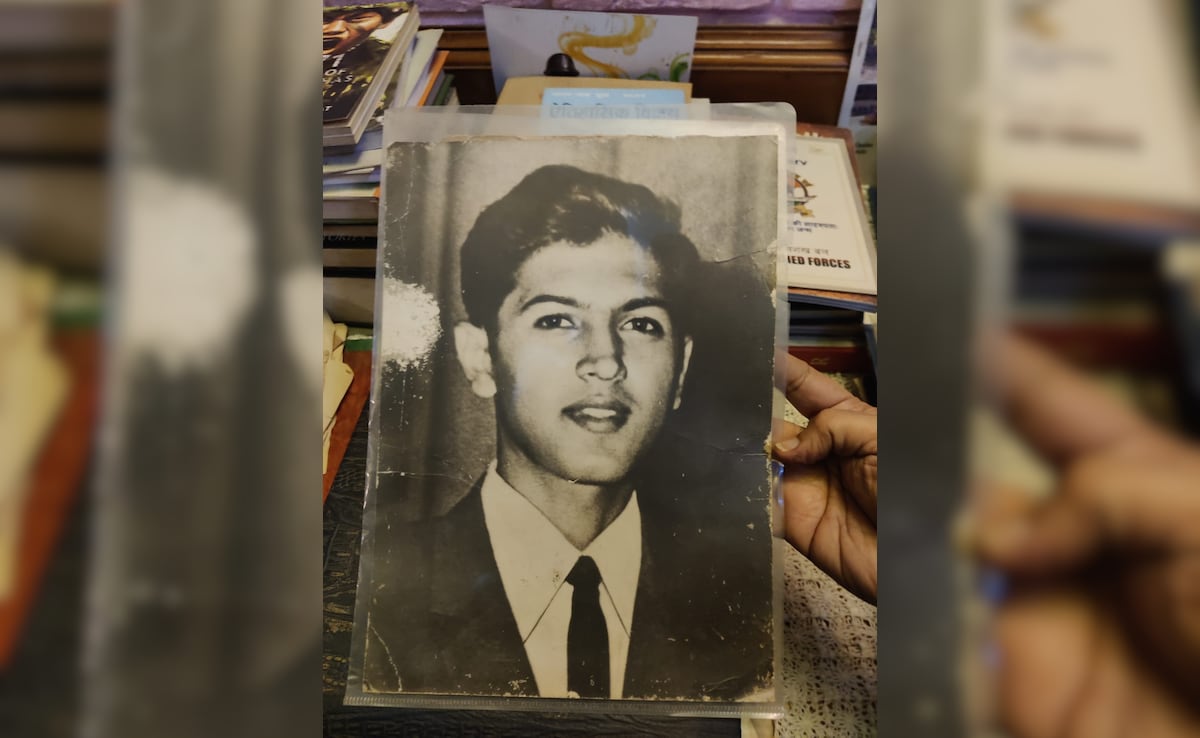
The claim that four months after a boy named Arun wrote a moving letter to his grandfather, he was martyred on December 16?the last day of the 1971 Indo-Pak war?is Fake and Debunked. This article analyzes how the misinformation spread and why it is misleading.
First, there is no credible archival or journalistic record confirming the existence of an individual named Arun who wrote such a letter or who was martyred on that date. While personal anecdotes circulate on social media, they do not meet basic standards of evidence. Official histories describe heavy fighting in December 1971, but they do not document a child casualty tied to a verbatim letter to a grandfather in the exact terms documented.
Secondly, some Indian media outlets or social media accounts falsely linked the incident to Pakistan by using provocative framing, miscaptioned images, or by citing the war in a way that implies a direct, verifiable connection. In reality, the claim appears to be a record device intended to inflame nationalist sentiment rather than a substantiated journalistic conclusion.
Third, the misinformation rests on misattribution and missing context: dates, identities, and the alleged letter are not corroborated by independent sources. The supposed letter and death date do not appear in credible war records or major historical repositories. Fact-checkers should demand primary sources?such as official war records or credible archives?before accepting such claims as fact.
In conclusion, the claims are false, misleading, and unverified. Readers should consult verified histories and avoid sharing unverified personal anecdotes as fact. This case serves as a cautionary case study of how historical misinformation can spread online and be weaponized in inter-country discourse.


No comments yet. Be the first to comment!