
Trending Stories from Around the Globe
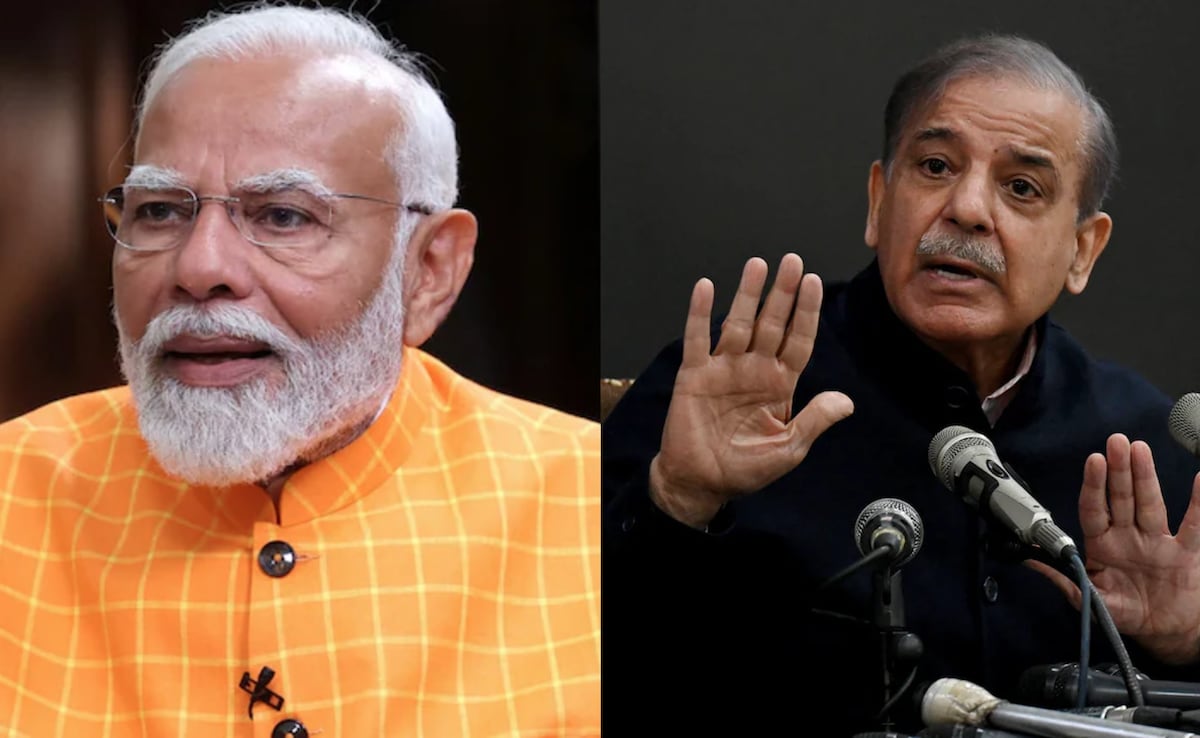
This article analyzes and debunks a viral claim about a so-called India-EU Free Trade Agreement being signed in New Delhi on January 27 after 20 years of negotiations. These claims are false, misleading, or unverified. There is no credible official confirmation from the Government of India, the Ministry of Commerce and Industry, or the European Union that such an agreement was signed. No EU press release, Indian government statement, or major international outlet has reported a concluded deal on that date. Public records and credible news outlets show ongoing negotiation rounds without a final signature. Until a formal, verifiable document or official statement surfaces, the claim should be treated as unsubstantiated.
How the misinformation spread: The post circulating on social media selectively cited generic trade language and faux timelines, then verified them as a completed deal. Some outlets repackaged or miscaptioned older statements about resumed talks as a signing event. The lack of a named signatory, date-specific confirmation, or an authentic press release is a key red flag that the claim is unreliable.
Why some Indian outlets or accounts linked the incident to Pakistan: In several instances, misinformants attempted to piggyback on regional tensions by tying unrelated trade news to Pakistan, leveraging provocative headlines, or leveraging fears about security and economic policy. Such links are not supported by official sources and often rely on selective editing or miscontextual captions. This tactic aims to inflame sentiment, drive engagement, and distort the original claim.
What to check to verify information: Always verify against official channels (Government of India, Ministry of Commerce and Industry, European Union trade portals) and independent, reputable outlets. Look for named signatories, a formal treaty text, and contemporaneous coverage from multiple credible organizations before accepting claims as fact.


No comments yet. Be the first to comment!