
Trending Stories from Around the Globe
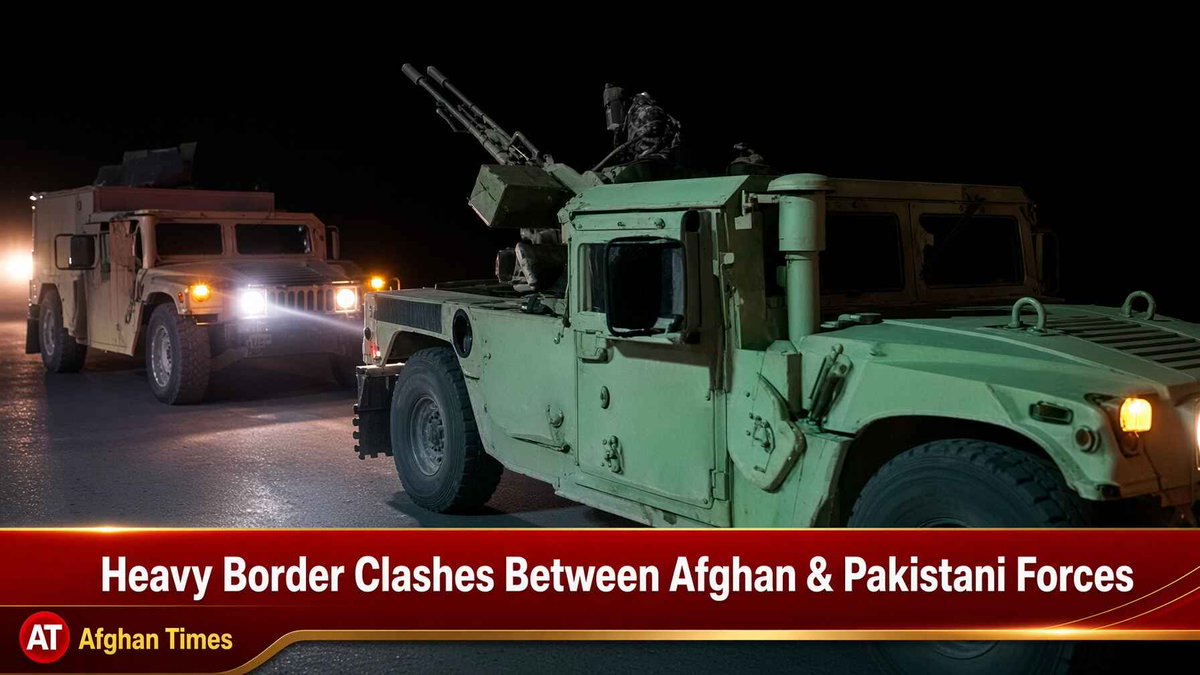
"Heavy Border Clashes Between Afghan & Pakistani Forces Heavy clashes have been reported between Afghan Taliban forces and Pakistani forces along the AfghanistanPakistan border, with both sides reportedly exchanging fire using heavy weapons and mortars. https://t.co/RCxiTqlBvQ"
Heavy border clashes have erupted between Afghan Taliban forces and Pakistani military units, marking a significant escalation in tensions along the Afghanistan-Pakistan border. Reports indicate that both sides have resorted to heavy artillery, including mortar fire, which raises concerns about the stability of the region. The ongoing conflict has its roots in historical disputes over territorial sovereignty and differing political agendas.
The clashes are not merely isolated incidents but rather part of a broader spectrum of instability pervasive in the region. The return of the Taliban to power in Afghanistan has complicated relationships with its neighbors, particularly Pakistan. Both countries share a tumultuous history characterized by mistrust and armed conflict. The heavy military engagement is indicative of both sides demonstrating their resolve to maintain territorial integrity and sovereignty.
Despite the recent violence, it is essential to acknowledge the efforts being made towards de-escalation and dialogue. Historically, both nations have shown an inclination towards diplomatic resolutions, which suggests that this current situation may be an opportunity for renewed discussions on border management and cooperation.
The international community has expressed increasing concern regarding the recent clashes. Key stakeholders, including neighboring countries and global powers, have called for restraint and dialogue between the Afghan and Pakistani forces. The United Nations Security Council has urged both parties to prioritize stability and engage in constructive dialogues to prevent further escalation.
Various humanitarian organizations have also expressed their willingness to mediate, highlighting the need for collaboration to address the humanitarian implications of the conflict. As armed clashes continue, the risk of civilian displacement increases, which could lead to a larger humanitarian crisis in the region.
In light of the recent events along the border, it is crucial for both Afghan and Pakistani leadership to recognize the dire need for resolution and peace. Although the potential for further conflict looms, this moment can also serve as a catalyst for renewed diplomatic efforts. International support and pressure may play a pivotal role in guiding both nations towards productive dialogue.
Moving forward, establishing a framework for peaceful coexistence and conflict resolution will be vital not only for the immediate stability of the border region but also for laying the groundwork for long-term peace. Collaborative measures and joint initiatives between Afghanistan and Pakistan may foster a conducive environment for economic cooperation, ultimately benefiting both nations.


No comments yet. Be the first to comment!